
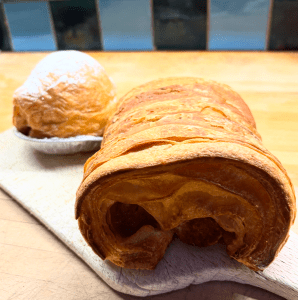
The tradition of eating sausage rolls (worstenbrood) and apple dumplings (appelbollen) in Antwerp is inextricably linked to Verloren Maandag (Lost Monday). This falls on the first Monday after the first Sunday following Epiphany (January 6th).
While the exact origin is a mix of history and folklore, there are three primary theories:
1. Swearing-in of Officials (Verzworen Maandag)
In the Middle Ages, this was the day city officials took their oaths of office. Because this was accompanied by grand celebrations, very little work was done—the day was effectively “lost” for labor. To keep costs down for the city treasury, officials were served a cheap but filling snack: meat wrapped in bread.
2. Guilds and Innkeepers
In the 18th century, craft guilds held their New Year’s receptions on this day. After reading the guild records, the craftsmen would head to the local inns. Innkeepers wanted their guests to stay and drink as long as possible, so they served cheap, salty snacks to build up a thirst. A sausage rolled in bread dough was the perfect, budget-friendly solution.
3. Dockworkers and “Lost” Meat
Another popular explanation comes from the Port of Antwerp. After the expensive Christmas and New Year holidays, dockworkers were often given a treat by their employers. Legend has it that butchers and bakers used their “lost” leftovers for this occasion unsold meat was wrapped in dough to make it appetizing and warm again.
- Double Sausage Rolls: In Antwerp, it is traditional to eat a “double” sausage roll (with two sausages side-by-side), symbolizing extra generosity on this festive day.
- Apple Dumplings: The apple dumpling (appelbol) appeared later, likely as a sweet alternative for those who didn’t eat meat or as a treat to round off the meal.
- Free in Pubs: Even today, many authentic Antwerp neighborhood pubs still serve a free sausage roll with your beer on Lost Monday.


 Antwerp Guides